What to Know About Croydon Council Rules for Flowers in Public
Posted on 24/09/2026
If you are trying to understand What to Know About Croydon Council Rules for Flowers in Public, you are probably dealing with a real-world moment: a memorial, a wedding setup, a community event, or a simple wish to place flowers somewhere meaningful without causing a problem. And truth be told, that mix of emotion and admin is where things get messy fast. One minute you are thinking about roses, colours, and timing; the next you are wondering whether the arrangement can stay there, who needs permission, and what happens if the council removes it.
This guide cuts through the uncertainty. It explains how public flower displays usually work in Croydon, why the rules matter, how to approach permissions responsibly, and what practical steps help you avoid headaches. You will also find a checklist, a comparison table, and a realistic example to make the whole thing easier to act on. If you are planning a formal floral tribute, browsing ideas for funeral flowers in Thornton Heath, or just trying to be respectful in a public space, this article will help you make a calmer, better-informed decision.
In a borough like Croydon, where parks, pavements, memorial spots, town-centre areas, and residential streets all have different pressures, small details matter. Flowers can be lovely. They can also become an obstruction, a maintenance issue, or a source of confusion if they are placed casually. So let's go through it properly.
Why What to Know About Croydon Council Rules for Flowers in Public Matters
Public flowers are rarely just decorative. They often carry meaning: grief, gratitude, celebration, remembrance, or community identity. That emotional layer is exactly why people sometimes assume the rules are flexible. In practice, public spaces have to serve everyone, not just the person placing the flowers. Pathways need to stay clear. Maintenance crews need access. Public safety, litter control, and local aesthetics all come into play.
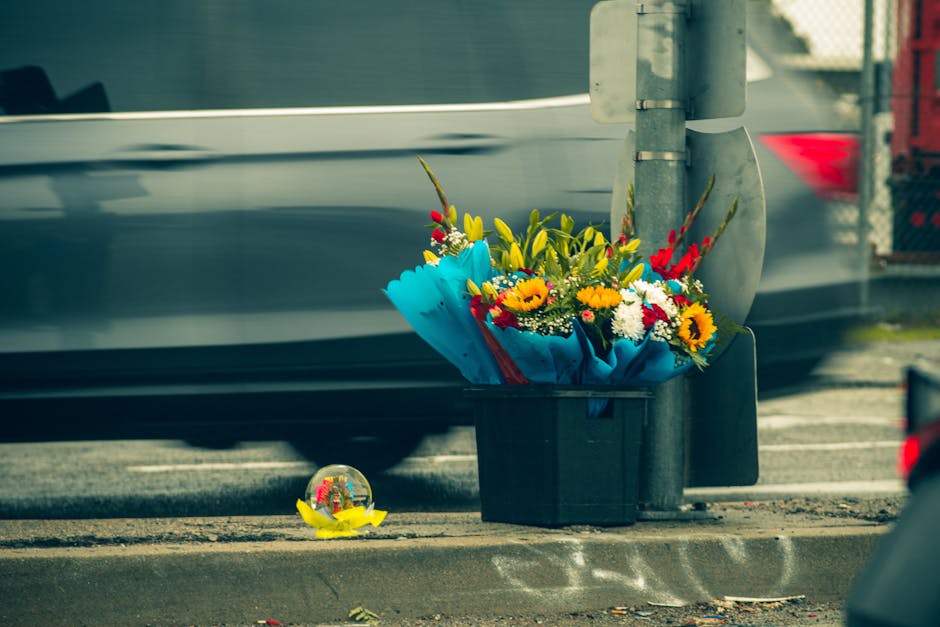
That is why understanding the council's approach matters before you place anything. Even something small, like a bouquet tied to a railing or set beside a tree, can create an issue if it blocks access or is left too long. Councils tend to look at flowers in public through a few common lenses: does it pose a hazard, is it on council-managed land, is it temporary, and is it tied to a formal permission or recognised practice?
For families, this matters because a well-meaning tribute can be removed if it is put in the wrong place or left without agreement. For event organisers, the risk is more obvious: a floral arch, aisle arrangement, or display outside a venue may need a different level of approval than a hand-tied bunch. And for local businesses, including florists, the stakes are even higher because the display is part of an expected service, not a one-off gesture.
Let's be honest, nobody wants a beautiful arrangement taken down because it was placed where it should not have been. A little planning saves a lot of upset.
There is also a trust angle here. If you are arranging flowers in public in a careful, compliant way, you are showing respect for the place, the people using it, and the wider community. That goes a long way, especially in shared spaces where tensions can be high and the margin for error is small.
How What to Know About Croydon Council Rules for Flowers in Public Works
There is no single universal rule for every flower arrangement in public. The practical answer depends on where the flowers are going, how long they will remain there, and whether the placement affects public use. In Croydon, the distinction usually comes down to whether the flowers are on public land, attached to street furniture, placed in a park, or part of a temporary event setup.
Here is the simplest way to think about it: if the flowers are in a public-facing place and could interfere with access, cleaning, mowing, safety checks, or pedestrian movement, the council may treat them as something that needs permission or monitoring. If they are temporary and low-impact, they may be tolerated for a short time, but that is not the same as having a guarantee.
Public flower requests usually fall into one of these patterns:
- Informal remembrance such as a small tribute near a tree or memorial area.
- Community decoration such as a floral display for a local celebration or faith event.
- Event flowers such as arrangements at an entrance, on a pavement, or near a public building.
- Commercial placements such as florals outside a shop, restaurant, or venue.
Each of those can be treated differently. For example, a bouquet for a private memorial service at a venue is usually easier to manage than flowers tied directly to street signage. That may sound obvious, but people mix those things up all the time.
In practical terms, the process generally looks like this:
- Identify whether the space is public or privately controlled.
- Decide whether the flowers will be temporary or long-term.
- Check whether the arrangement is decorative, commemorative, or part of an event.
- Confirm whether anything is attached, fixed, staked, or weighted in place.
- Ask whether the council or land manager needs to approve the placement.
If you are working with a florist, it helps to ask them to think in those same terms. A florist who regularly handles send flowers orders in Thornton Heath may not be giving legal advice, of course, but they often understand what is practical to deliver, what needs careful timing, and how to package flowers so they look good without causing access issues.
Key Benefits and Practical Advantages
Doing things properly brings a few real advantages, and not just the boring compliance kind. First, it reduces the chance that flowers are removed, damaged, or challenged by council teams, security staff, or local residents. Second, it helps your gesture feel more considered. A tribute that is placed with care simply lands better. People notice.
There is also a practical side. If you know the local process, you can choose a more suitable arrangement, plan the timing, and avoid wasting money on flowers that cannot remain in place. That matters whether you are ordering a simple bouquet or something more elaborate from a Thornton Heath florist. No one wants to pay for a display that has to be shifted the same afternoon.
Some of the main benefits include:
- Better respect for public space and for other users of that space.
- Lower risk of removal or disputes with the council.
- Cleaner presentation for ceremonies, tributes, and events.
- Smarter spending because you are not over-ordering or choosing the wrong format.
- Less stress on the day, which is underrated until you are standing in the drizzle trying to fix a ribbon that will not behave.
For businesses and event planners, there is one more advantage: credibility. When a display looks intentional and properly managed, people trust the organiser more. That can matter a lot in a local setting where word spreads quickly.
Expert summary: the best outcome is usually not the biggest display. It is the one that fits the location, respects the public, and is easy to manage from start to finish.
Who This Is For and When It Makes Sense
This topic matters to more people than you might think. It is not just for big civic events or formal memorials. In everyday life, public flower questions pop up around all sorts of occasions.
You may need this guidance if you are:
- arranging flowers for a memorial, tribute, or remembrance spot;
- planning a wedding, cultural celebration, or community gathering;
- decorating outside a shop, cafe, school, or venue;
- trying to leave flowers somewhere meaningful after a personal loss;
- supporting a local event that uses public pavements or green space;
- working as a florist or event organiser and needing to advise a client.
It also makes sense when the placement is small but emotionally important. A single bunch on a bench can mean just as much as a formal wreath. To be fair, those smaller gestures are often the ones people care about most.
There is a difference between private sentiment and public placement. If you are only buying flowers to be taken to a home, hospital, church, mosque, community centre, or cemetery, you may not need to worry much about council rules. But once the flowers are left in a public place, the question changes. The council's interest becomes much more likely, even if the arrangement feels harmless.
For readers comparing flower options for different purposes, it may also help to browse specific ranges such as flowers in a vase for stable presentation or tributes for more formal remembrance needs. Those formats are often easier to manage in public-adjacent situations because they are less likely to blow over or shed everywhere in a gusty bit of London weather.
Step-by-Step Guidance
If you want the simplest workable approach, follow this order. It is not glamorous, but it saves mistakes.
1. Identify the exact location
First, be precise. "Near the park" is not enough. Is it on a path, beside a bench, within a memorial garden, or outside a building? Public spaces often change rules depending on who manages them, and that can be the difference between fine and not fine.
2. Check whether the flowers are temporary or ongoing
A bouquet left for a few hours is treated differently from a standing display intended to remain for days. If the arrangement is meant to stay in place, you need to think about weather, maintenance, and whether anything will obstruct cleaning or access.
3. Decide whether anything will be fixed or attached
Loose flowers are one thing. Tying flowers to railings, lamps, trees, fences, or signs is another. Once you start attaching things, the question shifts from "can I place this here?" to "am I altering or using public infrastructure?" That often needs more caution.
4. Consider size, materials, and stability
Large arrangements are more likely to cause obstruction. Plastic wraps, wires, foam, glass, and loose ribbons can also become messy in public spaces. A compact bouquet or secure tribute usually causes fewer issues. Small, simple, and tidy is often the safer route.
5. Ask who needs to approve it
Some locations may be under council control, while others may sit under a church, school, housing provider, transport body, or private owner. If you do not know who manages the space, do not assume. That little assumption is where many problems start.
6. Plan for removal or retrieval
Always know what happens after the flowers have served their purpose. Will you collect them? Will the council remove them? Will a venue staff member tidy them away? If nobody owns the end of the process, the flowers can sit there longer than intended.
7. Choose a suitable florist or display format
If you are ordering professionally made flowers, pick a style that matches the setting. A secure basket, posy, wreath, or vase arrangement may make more sense than a sprawling hand-tied bunch. If you need something practical and straightforward, you can look at baskets and posies or wreaths for more stable formats.
8. Keep the communication clear
If several people are involved, tell everyone where, when, and why the flowers are being placed. A surprising number of issues come down to mixed expectations. One person thinks the flowers will stay all week, another expects them to be collected by lunch. Not ideal.
Expert Tips for Better Results
After handling enough flower orders and public-facing requests, a few patterns become obvious. The best results usually come from planning for the space, not just the flowers.
Choose weather-aware arrangements. Wind, drizzle, and heat all matter. On a damp Croydon morning, soft wrapping and weak stems can look tired fast. Sturdy stems, water support, and compact presentation usually hold up better.
Keep messages readable and respectful. If you are adding a card or ribbon, keep the wording clear. Long handwritten notes can be lovely, but they can also look cluttered in a public setting. A short, sincere message often works best.
Use colour intentionally. White and green are often associated with calm, remembrance, and formality, while brighter mixes can feel celebratory or community-led. Of course, there is no single right answer, but the colour palette should match the setting and the emotional tone. A funeral tribute in neon tones would feel a bit off, to put it mildly.
Think about foot traffic. If the space is busy at school run time, market time, or rush hour, even a small display can become annoying. That does not mean you should not place flowers there, just that placement needs better judgement.
Ask about maintenance before the event. One of the easiest ways to avoid disappointment is to know who is responsible if the arrangement is knocked, watered, or moved. In our experience, a five-minute conversation solves what would otherwise become a day-long headache.
Use stable containers where possible. A vase or weighted container is often better than loose stems in a busy public environment. If the flowers are part of a gift or tribute, consider a format that travels well, like flowers in a vase or a sturdy sympathy design.
Leave room for dignity. Not every display needs to be grand. Sometimes restraint is the point. A simple arrangement placed thoughtfully can feel far more respectful than a packed display that overwhelms the spot.
Common Mistakes to Avoid
The biggest mistakes are usually not dramatic. They are the quiet ones that come from rushing.
- Assuming all public spaces are the same. A park, a pavement, a memorial area, and a town-centre forecourt are not treated identically.
- Leaving flowers in place without a plan. If no one knows when they will be removed, they can become litter rather than tribute.
- Using fragile packaging. Cellophane, thin plastic, and flimsy wraps can fail fast in wind or rain.
- Blocking access. This is the classic problem. Even beautiful flowers become an issue if they interrupt the path.
- Overcomplicating the display. Too many extras can make the arrangement look fussy and harder to manage.
- Skipping permission checks. If the space is managed by the council or another authority, guessing is risky.
- Forgetting cultural or emotional context. A flower choice that suits a birthday may not suit a remembrance setting, and vice versa.
One common slip-up is ordering a very large design because it looks impressive in the shop, then realising it is awkward to carry, place, or keep upright outside. Happens more than people admit. Everyone loves the big dramatic bouquet until there is nowhere sensible to put it.
Another problem is timing. A display that looks fine at 9 a.m. can look tired by late afternoon, especially on a warm or breezy day. If the placement is public-facing, freshness and neatness matter more than most people expect.
Tools, Resources and Recommendations
You do not need a complicated toolkit, but you do need a few practical habits and items that make public flower placement easier.
- Measuring tape or rough dimensions so you know whether the arrangement fits the space.
- Camera phone to document the planned location and the finished display.
- Secure containers such as baskets, vases, or weighted bases.
- Cards or labels if the tribute needs identification.
- Weather protection like a covered vehicle, waterproof wrap, or a simple umbrella during placement. Old-school but useful.
If you are choosing a flower type or style, consider how it will behave outdoors. Some flowers are more delicate than others, and some arrangements travel better than others. If you are unsure, a florist can usually guide you toward a sturdier choice. Looking through options such as florist choice or any occasion can help you compare flexible, practical formats.
You may also want to use broader support pages when planning the wider order, especially for delivery timing and aftercare. A quick read of the delivery information and flower care guidance can prevent last-minute surprises. Small detail, yes. But small details are exactly what make this kind of thing go smoothly.
If sustainability matters to you, it is worth looking at the florist's approach to packaging and sourcing as well. Public displays already draw attention; doing them responsibly is simply better all round.
Law, Compliance, Standards, or Best Practice
This is the part where caution matters. Public flower placement can touch on local rules, land management, access obligations, nuisance concerns, event permissions, and sometimes memorial practices. The exact requirements depend on the location and the authority responsible for it. So it would be misleading to pretend there is one neat answer that fits every situation.
What you can rely on is a few general best-practice principles. First, do not obstruct paths, entrances, emergency access, or visibility. Second, do not attach anything to public structures unless the owner or manager has agreed. Third, do not leave materials that could become litter, hazards, or maintenance problems. Fourth, be sensitive to the purpose of the place. A solemn memorial space should not be treated like a party backdrop.
In the UK, councils and land managers commonly expect public displays to be tidy, temporary where appropriate, and easy to clear away. That is especially true if flowers are placed near roads, bus stops, railings, or shared pedestrian areas. Even if the arrangement seems harmless, it can still be removed if it interferes with operations or safety.
Best practice also means keeping records if the display is part of a formal event. A brief note, message, email, or confirmation from the relevant authority can save a lot of confusion later. It does not need to be dramatic. Just clear.
If you are arranging a public tribute through a florist, ask whether the design can be made in a format that is easy to position and remove. Wreaths, posies, sympathy sprays, and basket arrangements are often more manageable than loose stems. For a respectful public memorial, a carefully prepared arrangement such as sympathy flowers can be more suitable than a large hand-tied bunch.
Options, Methods, or Comparison Table
Different flower formats work better in different public settings. Here is a simple comparison to help you choose the right style for the space and purpose.
| Option | Best for | Strengths | Watch-outs |
|---|---|---|---|
| Hand-tied bouquet | Short-term tributes, personal gestures | Simple, heartfelt, easy to source | Can be unstable outdoors and needs support |
| Basket or posy | Memorials, small public spaces | Neat, self-contained, easier to place | May still need weather protection |
| Wreath | Formal remembrance or commemorative settings | Recognisable, dignified, visually balanced | Needs a suitable surface or display point |
| Vase arrangement | Venue entrances, indoor-to-outdoor transitions | Stable and tidy | Glass and water can be awkward in some locations |
| Floral tribute/spray | Funeral and memorial contexts | Clear purpose, strong visual impact | Less flexible for casual public placement |
If you are trying to decide between styles, ask one question: will this arrangement stay neat for the full time it is on display? If the answer is uncertain, choose the more contained option. Not the fanciest option. The more contained one.
That is why many people turn to practical designs such as sprays, baskets and posies, or a carefully chosen tribute from the florist's range. For public settings, stability often beats spectacle.
Case Study or Real-World Example
Imagine a family in Croydon wanting to leave flowers at a local remembrance point after a funeral. They are not trying to stage an event. They simply want something respectful, visible, and temporary. The first instinct might be to take a large bouquet, tie it to a fence, and leave it there. It seems simple enough. But after a bit of thought, they realise that the fence is a busy path edge, the flowers might fall, and the arrangement could block access during school pickup time.
So they change course. They choose a more stable tribute, keep the message short, and place it in a spot that does not interfere with walkers. They also ask the florist for a format that sits securely and can be removed easily later. The result is calmer, tidier, and more respectful all round. Nobody has to rush out later because of an awkward obstruction. The tribute still feels personal. Maybe even more so, because it was clearly thought through.
That is the real lesson here. Good public flower placement is rarely about doing more. It is about doing enough, in the right way, at the right place.
In a separate example, a small business might want floral arrangements outside a shop during a local celebration. The owner checks how much pavement space is left, keeps the display narrow, and makes sure it is not fixed to public railings. The flowers create warmth and colour without becoming a nuisance. Simple, but effective.
If you ever find yourself torn between "beautiful" and "practical," choose both if you can. If not, practical wins every time.
Practical Checklist
Use this quick checklist before placing flowers in a public setting in Croydon:
- Have I confirmed whether the location is public or privately managed?
- Do I know whether permission is needed?
- Will the flowers block access, visibility, or maintenance?
- Is the arrangement stable enough for weather and foot traffic?
- Have I chosen a format that suits the setting, such as a basket, posy, wreath, or vase?
- Do I know how long the flowers are meant to stay there?
- Is there a clear plan for removal or collection?
- Have I avoided tying, fixing, or attaching anything without approval?
- Does the message or card suit the tone of the place?
- Have I checked delivery and care timing so the flowers look fresh on arrival?
Quick practical note: if you are unsure about one item on the list, pause there. It is much easier to ask one question in advance than to untangle a misunderstanding later.
Conclusion
Knowing What to Know About Croydon Council Rules for Flowers in Public is really about more than rules. It is about placing flowers with care, keeping public spaces usable, and making sure your gesture lands with the dignity it deserves. Whether you are arranging a memorial tribute, a community display, or a simple floral moment in a shared space, the right approach is usually calm, tidy, and considerate.
The best decisions come from checking the location, matching the format to the setting, and planning for removal as well as placement. That small bit of foresight changes everything. It protects your tribute, respects other people's use of the space, and reduces the chance of awkward surprises. And in a busy borough, that peace of mind is worth quite a lot.
Get a free quote today and see how much you can save.
Choose thoughtfully, keep it simple where you can, and let the flowers do what they do best: carry meaning without making a fuss.
Frequently Asked Questions
Can I leave flowers in a public place in Croydon without permission?
Sometimes small, temporary tributes may be tolerated, but that does not mean permission is unnecessary. If the flowers are on council-managed land, attached to something, or likely to stay in place, it is safer to check first. The key issue is whether the arrangement affects public use or maintenance.
Do public flower tributes have to be removed after a certain time?
Usually, yes, or at least they need a clear plan for removal. The exact timing depends on the location and the authority involved. Temporary tributes are more likely to be accepted if they are tidy and easy to collect later.
What kind of flowers are best for a public memorial?
Stable, compact arrangements usually work best. Wreaths, posies, sympathy sprays, and basket arrangements are often easier to place and maintain than loose stems. In wet or windy weather, sturdy designs are especially helpful.
Can I tie flowers to railings, trees, or signs?
Not without checking. Attaching flowers to public structures can raise safety, maintenance, and permission issues. Even if the gesture feels harmless, it may not be allowed. A freestanding arrangement is usually the safer choice.
Are there special rules for flowers near roads or pavements?
Yes, or at least there can be extra caution needed. Anything near traffic, footpaths, crossings, or busier pedestrian routes needs to avoid blocking sight lines or access. Public safety comes first, even with something as small as a bouquet.
What should I do if I want to place flowers for a funeral or remembrance service?
Check the exact location, confirm who manages it, and choose a format that is easy to handle. If the flowers are part of a formal tribute, a florist can help you choose something appropriate and stable. It is also wise to plan when they will be removed.
Can a florist help me choose a suitable public tribute arrangement?
Yes. A good florist can recommend a design that suits the emotional tone and practical setting. They may not provide legal approval, of course, but they can absolutely help you avoid a display that is too fragile or awkward for the space.
What happens if the council removes the flowers?
If flowers are placed without permission or become an obstruction, they may be cleared away. That is one reason it pays to check the location beforehand and keep the arrangement temporary and tidy where possible.
Is a vase arrangement safer for public use than loose flowers?
Often yes, because a vase arrangement is more stable and less likely to scatter. That said, glass and water can also be a concern in some settings. A weighted basket or secure tribute may be better depending on the location.
How do I make sure the flowers still look good outdoors?
Use fresh flowers, choose a secure container, avoid overpacking the display, and think about weather. A short outdoor exposure is one thing; a full day in wind or drizzle is another. If the arrangement has to last, practicality matters a lot.
What if I am not sure whether the place is public or private?
That is a common problem. If you are unsure, do not assume. Check the building, venue, park, or land manager before placing anything. Public and private rules can differ sharply, and guessing is where avoidable mistakes happen.
Can flowers be used for community events in Croydon public spaces?
Yes, but event flowers usually need more planning. You may need to consider access, timing, scale, and whether the display will remain in place after the event. For anything formal, stability and clearance matter just as much as appearance.