Thornton Heath High Street Florist Guide for Weddings and Events
Posted on 27/10/2026
Planning flowers for a wedding, milestone party, corporate function, or intimate celebration can feel strangely high-stakes. The room might be lovely already, the venue might be sorted, but one bad floral choice and the whole thing can feel a little off. That is exactly why this Thornton Heath High Street Florist Guide for Weddings and Events matters. It helps you think clearly about style, timing, budget, delivery, and what a local florist can realistically do for you without fuss.
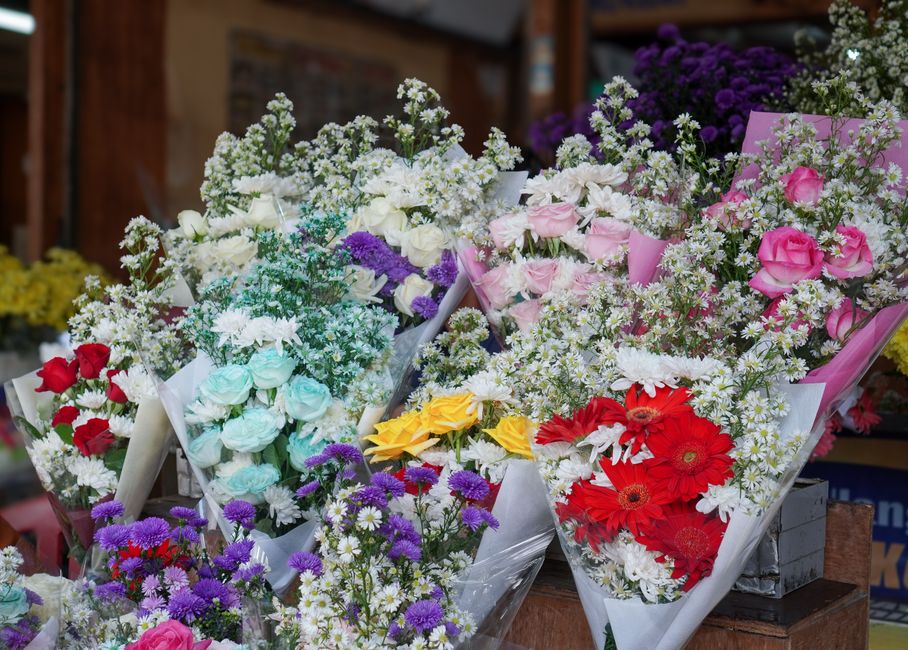
In Thornton Heath, people often want flowers that feel fresh, personal, and practical all at once. Not too showy, not too sparse. Just right. Whether you are planning bridal bouquets, table arrangements, buttonholes, ceremony flowers, or event dressing for a hall or restaurant, this guide walks through the decision points that actually matter. And yes, it keeps things human. Because flower planning is rarely tidy from start to finish, is it?
For readers who want to browse a wider local range while planning, you can also look at a local Thornton Heath florist and compare it with specialist wedding options such as wedding flowers in Thornton Heath. Those pages help when you are moving from ideas to actual order decisions.
Table of Contents
- Why Thornton Heath High Street Florist Guide for Weddings and Events Matters
- How Thornton Heath High Street Florist Guide for Weddings and Events Works
- Key Benefits and Practical Advantages
- Who This Is For and When It Makes Sense
- Step-by-Step Guidance
- Expert Tips for Better Results
- Common Mistakes to Avoid
- Tools, Resources and Recommendations
- Law, Compliance, Standards, or Best Practice
- Options, Methods, or Comparison Table
- Case Study or Real-World Example
- Practical Checklist
- Conclusion
- Frequently Asked Questions
Why Thornton Heath High Street Florist Guide for Weddings and Events Matters
Flowers do more than decorate a room. They set the tone before anyone has even found their seat. A good florist understands how to translate a vague feeling like "romantic but relaxed" or "bright and elegant" into something people can see, smell, and remember. That is especially important for weddings and events, where every detail gets noticed more than you expect.
Thornton Heath High Street has the kind of local energy that suits practical planning. You are often dealing with real timelines, local venues, family expectations, and budgets that need to stretch without looking stretched. A florist who works with local customers every day tends to understand those realities better than a one-size-fits-all online shop. They know that a bouquet may need to travel across south London, or that a centrepiece must arrive looking crisp after a warm car journey. Small things. They matter.
This guide matters because flower planning often sits in the awkward middle ground between creative vision and logistics. You might know you want white roses, lilies, or something seasonal and soft, but not know how many stems are needed, what lasts longest, or which designs suit a hotel table versus a church aisle. That gap is where people overspend, under-order, or simply panic at the last minute.
Expert summary: the best wedding and event flowers are not always the biggest or the most expensive. They are the ones that fit the venue, the schedule, and the mood without creating avoidable stress.
To be fair, flowers are one of those details where confidence comes from clarity. Once you know what to ask for, the whole process becomes much easier.
How Thornton Heath High Street Florist Guide for Weddings and Events Works
At a practical level, this topic covers how to choose, brief, order, and receive flowers for an occasion. Think of it as a workflow, not a single purchase. First comes the style idea. Then the florist matches that idea to available flowers, seasonality, budget, and timings. After that comes preparation, delivery, and setup if needed.
For weddings, the flow usually starts with the bridal bouquet and then branches out into bridesmaid bouquets, buttonholes, ceremony displays, aisle pieces, reception tables, and maybe a statement arrangement for a cake table or entrance. For events, the list may be different: table centres, welcome arrangements, stage flowers, gift flowers, or branded colour palettes for corporate spaces. The shape of the order changes, but the logic stays the same.
Local shoppers often begin with a general florist page, such as flower shops in Thornton Heath, before narrowing to occasion-specific collections. That is a sensible route because you can compare style, pricing tier, and the types of arrangements on offer without jumping straight into a custom brief.
In real life, the florist also has to think about practical constraints you may not notice at first:
- Will the venue allow early delivery?
- Are there stairs, narrow entrances, or limited parking?
- Will flowers need to survive travel, heat, or a long event day?
- Do you need matching pieces across several suppliers or just one main floral package?
That is the "how it works" part in plain English. It is less about buying flowers and more about coordinating a temporary visual plan. Slightly nerdy, yes, but very useful.
Key Benefits and Practical Advantages
Using a local Thornton Heath florist for weddings and events comes with a few clear advantages. Some are obvious, others only become obvious after you have been caught out once or twice.
Better local awareness
Local florists tend to understand the pace of local delivery, common venue types, and what works well in real south London settings. If your event is in a compact restaurant, for example, huge centrepieces may be a nuisance. A florist who knows the area can guide you toward arrangements that look polished without blocking conversation or photos.
More useful advice on design
Not every flower suits every event. A strong florist can tell you when a design will read beautifully in daylight but feel too heavy under evening lighting, or when a colour palette might clash with table linen or a room's decor. This is especially helpful if you have no idea how florals will appear beyond the shop sample or web image.
Less waste, better value
Ordering the wrong size arrangement is a common mistake. Too small and the room looks underdressed. Too large and you spend money where it is not needed. Good planning helps the flowers work harder. In our experience, that is where customers often feel the biggest difference: fewer awkward extras, fewer panic add-ons, and a cleaner final look.
Convenience on busy days
Wedding mornings move fast. Event setups move faster than people think. Having flowers prepared, timed, and delivered properly can save a remarkable amount of stress. Truth be told, that calm feeling is worth a lot on the day.
For gift-led occasions, it also helps to know that a florist can support both celebration and delivery-based needs. If you need to send something a little more immediate, local options like same-day flower delivery in Thornton Heath or next-day flower delivery may be useful alongside event planning.
Who This Is For and When It Makes Sense
This guide is for anyone planning flowers with more intention than a quick birthday bunch. That includes couples, families, event organisers, venue coordinators, office managers, and anyone else who has suddenly found themselves saying, "We need flowers, but not just any flowers."
It makes sense for weddings if you are:
- planning a ceremony and reception in the same day
- trying to keep a cohesive colour story across several items
- working to a fixed budget and need good advice on priorities
- wanting bouquets and table flowers that photograph well
- balancing religious, cultural, or family preferences
It makes sense for events if you are:
- hosting a corporate dinner, awards night, or networking event
- planning a milestone birthday, anniversary, or retirement celebration
- decorating a venue where first impressions matter
- trying to make a modest space feel finished rather than crowded
- needing flowers that arrive on time and hold up for the full event
It also makes sense if you are not especially flower-savvy. Honestly, that is most people. You do not need to know the difference between every bloom and foliage stem. You just need to explain the feeling, the event, and the practical limits. A decent florist can take it from there.
For those comparing event gifting or mixed celebration needs, you may also find the wider any-occasion flowers and the broader all flowers collections useful as a starting point.
Step-by-Step Guidance
Here is the simplest way to plan flowers without getting overwhelmed. It is not glamorous, but it works.
- Define the event type. Wedding, engagement, anniversary, gala, wake, corporate lunch, or private party? Different occasions need different structure and tone.
- Set the visual mood. Romantic, classic, seasonal, contemporary, bold, or understated. If you can describe the mood in three words, you are already doing well.
- Choose the priority pieces. For weddings, that might be the bridal bouquet and ceremony flowers. For events, it may be entrance arrangements or table centres.
- Work with the venue. Check where flowers will sit, how they will be displayed, and whether the room needs tall or low arrangements. A low dining table wants something very different from a registration desk.
- Match the flowers to the season and budget. Seasonal flowers often give better value and a more natural look. That is not a hard rule, but it is a good habit.
- Confirm timing and delivery. The final schedule should account for setup, photography, traffic, and any venue access rules.
- Review substitutions and backup options. Ask what happens if a specific flower is unavailable. This is one of those boring questions that saves everyone later.
A useful habit is to make one reference note with your venue name, event date, preferred colours, and a couple of inspiration words. Then keep it somewhere easy to find. You would be surprised how often people are hunting for that note five minutes before a call.
For weddings in particular, the dedicated collections such as weddings, bridal bouquets, bridesmaid bouquets, and buttonholes can make the briefing stage far easier because you can see the structure before you commit.
Expert Tips for Better Results
Good flower planning is partly creative and partly tactical. Here are the details that usually improve the final result.
Start with the room, not the bouquet
People often begin by choosing a bouquet they love. Fair enough. But the venue should shape the final decision. A grand arrangement may look right in a large hall and feel overbearing in a small pub dining room. The room tells you a lot if you let it.
Use one strong focal point
If every surface competes for attention, the whole design can start to feel messy. One entrance display, one prominent top table piece, or one striking ceremony feature can do more than six disconnected mini arrangements. Subtlety can be better than abundance.
Keep your colour story tight
Two or three core colours usually look more elegant than six competing shades. White and green is clean and timeless. Pink and cream feels soft. Deep red and burgundy reads dramatic. If you want a mixed palette, anchor it with one calming base colour.
Ask about flower durability
Some flowers are naturally better for longer events, warmer rooms, or travel. If your day starts early and ends late, ask what will still look fresh by the last dance. That question alone can shape better decisions.
Plan for photos, not just real life
Flowers that look lovely in the room should also work in pictures. This matters more than people think. A bouquet may need contrast so it does not disappear against a dress, while table flowers need enough shape to be visible without dominating the frame. A quiet little detail, but photographers notice.
If you need to balance style with a tighter spend, local shoppers often look at price-aware ranges such as cheap flowers in Thornton Heath or specific budget-friendly collections like budget flowers. Budget does not have to mean boring, by the way. Not even close.
Common Mistakes to Avoid
Most floral problems are predictable once you know what to watch for. That is the annoying bit. The good news is that they are also avoidable.
- Leaving the order too late. Wedding and event flowers often need more planning than people expect, especially if you want specific stems or coordinated items.
- Giving only vague instructions. "Nice flowers" is not enough. Give colour, occasion, mood, and venue context.
- Ignoring scale. A bouquet or arrangement that feels tiny in a shop can be too small once placed in a large room.
- Forgetting setup logistics. Delivery time is not the same as display time. Venues may have limited access windows.
- Choosing style without practicality. Some designs are beautiful but awkward for moving around, seating, or carrying for hours.
- Not asking about substitutions. Seasonal variation happens. It is normal. What matters is how the florist handles it.
One very common issue is the "looks lovely online, feels different in person" problem. It happens. Lighting, scale, and surrounding decor all change the effect. That is why a conversation beats scrolling forever.
If the event is tied to a celebration, consider adding useful extras rather than random extras. A well-chosen bouquet, a matching card, or a simple gift item often feels more thoughtful than a pile of unrelated add-ons.
Tools, Resources and Recommendations
You do not need specialist software to plan flowers well, though a few simple tools help a lot. Nothing fancy. Just practical habits.
- A notes app or shared document: keep venue name, time, colours, and delivery instructions in one place.
- Phone photos of the venue: helpful for sharing room shape, table size, and colour context.
- Budget split list: divide spend between "must-have" and "nice-to-have" items so you do not lose the plot halfway through.
- Sample reference photos: use a few, not twenty. Too many images can confuse the brief.
- A quick measurement note: table length, entrance width, or podium size can be surprisingly useful.
From a product perspective, local customers often benefit from browsing structure-led ranges first. For example, you can explore wedding table arrangements for receptions, wedding corsages for families or guests, and matching event-ready options like luxury flowers when the occasion needs a more polished finish.
For broader service reliability, it can also help to understand general site policies such as delivery, guarantees, and returns and refund information. Not glamorous reading, granted, but very useful when you are managing something time-sensitive.
Law, Compliance, Standards, or Best Practice
For flowers and event planning, the main compliance issues are usually practical rather than dramatic. You are not typically dealing with complex legal drafting, but there are still sensible expectations to keep in mind.
First, delivery and access rules matter. Venues in London may have specific unloading arrangements, time windows, or restrictions on where vehicles can stop. That is best confirmed directly with the venue and the florist. Second, if flowers are going into a workplace or public-facing event, basic accessibility and safe placement should be considered so arrangements do not block routes or create trip hazards. Common sense really, but worth saying.
For businesses ordering event florals, it is also sensible to keep records of invoices, delivery details, and approval messages. That is just good practice. If you are arranging corporate flowers, you may find the corporate accounts page useful for repeat ordering and account-based planning.
There are also broader best practices worth following:
- confirm any special access needs well in advance
- be clear about flower substitutions if a requested stem is unavailable
- check whether the florist can support setup, not only delivery
- make sure the design suits the venue's surface space and movement flow
- avoid placing arrangements where guests or staff will constantly bump them
If you are ordering sympathy or remembrance flowers alongside event florals, use a separate brief. Different occasions need different tone, wording, and design discipline. No mixing it up. That would be awkward, and not in a good way.
Options, Methods, or Comparison Table
When choosing flowers for weddings and events, most people end up deciding between a few practical approaches. Here is a simple comparison.
| Option | Best For | Strengths | Trade-Offs |
|---|---|---|---|
| Ready-made collection | Simple weddings, quick events, clear budgets | Fast to choose, easier to price, consistent look | Less customisation, may not match every detail |
| Part-custom package | Couples or organisers with a clear colour scheme | Good balance of control and convenience | Still needs a clear brief |
| Fully bespoke design | Large weddings, styled events, brand-led occasions | Most flexible, tailored to venue and theme | Usually takes more time and coordination |
| Delivery-only floral order | Smaller gatherings, gifting, straightforward displays | Simple, efficient, often cost-conscious | Less support on placement and setup |
There is no single right choice. A modest reception can look wonderful with a focused ready-made setup, while a larger wedding may need a more tailored plan. The trick is matching ambition to reality. Sounds obvious, but that is where many people go wrong.
Case Study or Real-World Example
Imagine a couple planning a late-afternoon wedding reception near Thornton Heath. They want something elegant but not stiff. The venue has warm lighting, round tables, and a fairly busy entrance area. They start by choosing a bridal bouquet and matching table flowers, then realise they need buttonholes too because, well, the groom and family do still need to look joined up.
At first, they are drawn to lots of bright colours. Lovely in theory. But once they discuss the room, they realise the venue already has strong carpet and dark wood details. Too many colours would make the space feel crowded. So they narrow it down to white, soft pink, and green, with a few richer accent stems. The result feels calm, grown-up, and easy to photograph.
For the table flowers, they choose low arrangements rather than tall ones so guests can talk over dinner without peering around a giant display. They also make sure the bouquets and buttonholes are all in the same family, so the whole day feels connected. Nothing wild. Nothing overdone. Just sensible design, really.
That sort of planning is common for event floristry. The better outcome usually comes from a few smart decisions rather than more flowers, more colours, or more noise. And if the florist asks practical questions about timing, venue access, and table size? Good sign. Very good sign.
If you are comparing wedding-led designs, collections such as wedding collections and related options like signature wedding collections can help you visualise a joined-up look before ordering.
Practical Checklist
Use this before you confirm your order. It saves a surprising amount of back-and-forth.
- Event date and time confirmed
- Venue address and access details written down
- Primary colour palette chosen
- Priority items listed in order - bouquet, table flowers, buttonholes, ceremony arrangements, and so on
- Budget ceiling set
- Delivery window agreed
- Setup requirements checked with venue
- Substitution policy understood
- Photos or inspiration notes prepared
- Contact details for the day saved on your phone
And one extra thing, because it saves headaches: check who is actually receiving the flowers. A named person at the venue is always better than "the front desk will probably know." Probably is not a plan.
Get a free quote today and see how much you can save.
Conclusion
A strong Thornton Heath High Street florist guide for weddings and events is really about making good decisions early. Choose the mood before the stems. Think about the room before the ribbon. Keep the brief simple but specific, and do not be afraid to ask practical questions. That is how you end up with flowers that look beautiful and behave properly on the day.
Whether you are planning a wedding, a celebration, or a polished business event, the best results usually come from calm coordination rather than last-minute improvisation. A good florist can help you turn a rough idea into something warm, memorable, and well put together. Which, let's face it, is what everyone wants when the photos are going to last forever.
If you are at the point of choosing styles or comparing options, start with the floral range that fits your occasion and budget, then work outward from there. It makes the whole process easier, and a bit more enjoyable too. Flowers should feel like part of the celebration, not a problem to solve at midnight.
In the end, the right blooms do more than decorate the day. They help it feel complete.
Frequently Asked Questions
What should I ask a florist before booking wedding flowers?
Ask about availability, delivery timing, substitution policies, venue setup, and whether they can match your colour palette. It also helps to ask what they recommend for your budget, because a good florist will usually know where your money will have the biggest visual impact.
How far in advance should I order flowers for a wedding or event?
As early as you reasonably can. Smaller events may be easier to arrange later, but weddings and larger functions often need more lead time for planning, sourcing, and coordination. The earlier you start, the calmer the process tends to be.
Can I get flowers for a Thornton Heath event on a tight budget?
Yes. Budget-friendly florals are absolutely possible, especially if you focus on a few high-impact pieces instead of trying to cover every surface. Seasonal choices and ready-made collections can also help keep costs sensible.
What flowers work best for wedding bouquets?
That depends on the style of the wedding, the season, and the dress or outfit. Roses, lisianthus, orchids, hydrangeas, lilies, and mixed seasonal blooms are all common choices, but the best bouquet is the one that fits the whole look, not just the flowers on their own.
How do I choose flowers for a corporate event?
Keep the design clean, professional, and easy to place. Corporate flowers usually work best when they support the room rather than overpower it. Think entrance displays, reception desk arrangements, and table pieces that feel polished but not distracting.
What if the florist cannot get the exact flowers I requested?
That happens from time to time, especially with seasonal blooms. A trustworthy florist should explain the substitution options clearly and keep the overall style consistent. It is better to agree this in advance than to be surprised later.
Do I need different flowers for the ceremony and reception?
Not always, but sometimes it is useful. Ceremony flowers can be more focused and photogenic, while reception flowers may need to be practical, durable, and repeatable across tables. A florist can help you decide whether one design can do both jobs.
Are buttonholes and corsages worth including?
They are often worth it if you want a coordinated look for key people in the wedding party or event group. They are small details, but they help tie the styling together. Little things, big effect.
How do I make flowers last longer during a long event?
Choose hardy blooms, keep arrangements in water where possible, and avoid placing them in direct heat or full sun. Timing matters too. The closer the flowers arrive to the event, the fresher they are likely to look when guests do.
What is the difference between a ready-made arrangement and a bespoke one?
A ready-made arrangement is usually a pre-designed option with a clear style and faster ordering process. A bespoke arrangement is tailored to your event, colours, venue, and preferences. If you want simplicity, ready-made is useful. If you want a very specific look, bespoke may be the better fit.
Can I use the same florist for both celebration flowers and sympathy flowers?
Yes, many florists handle both. Just keep the briefs separate, because the tone, style, and wording need to be different. A florist used to handling different occasions can guide you through that neatly.
What is the safest way to arrange delivery on the day?
Give the florist the venue contact, delivery window, and a named receiver. If the venue has access restrictions or a loading bay, mention that early. Clear instructions reduce stress and help the flowers arrive exactly where they need to be.